Andalusia

Málaga Granada Córdoba Sevilla Ronda Tarifa
149 views

Andalusia stretches across southern Spain, where Europe and Africa come closest to each other. Across the Strait of Gibraltar, the shores of Morocco are visible; to the north, the snow-capped peaks of the Sierra Nevada. This is not a region caught between two continents — quite the opposite, it has absorbed and been shaped by both worlds.

When people think of southern Spain, many picture sun and beaches. But Andalusia is far more layered than that. Thousands of years of history, the legacy of three distinct civilizations, all overlapping in one geography. Turn a corner and there's a Roman ruin; a few steps further, an architecture that feels like a distant relative of the Ottoman aesthetic. Every stone here tells a story.
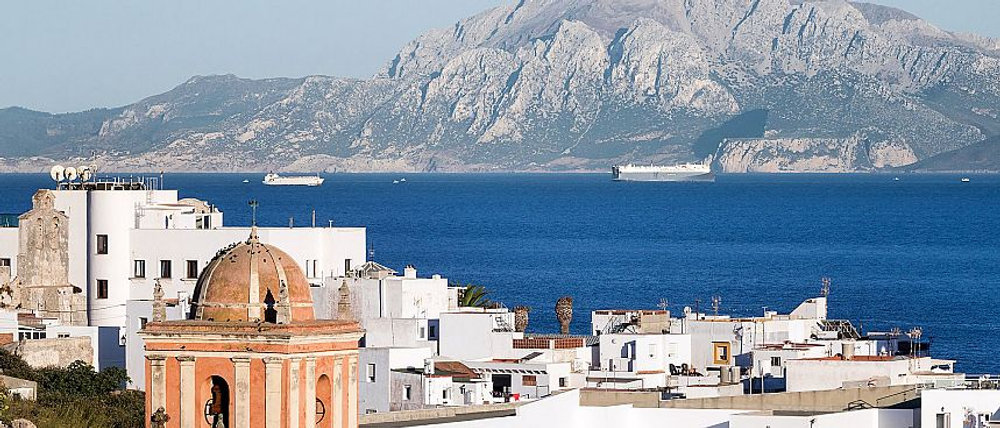
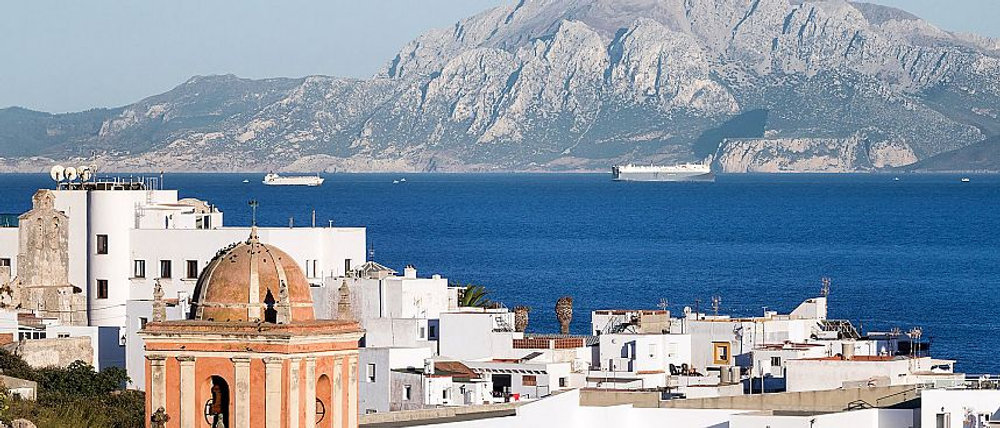
Tarifa
Tarifa

For centuries, this was a land where Muslims, Christians, and Jews lived side by side. When the Umayyads arrived in 711, they opened the door to a period that would last nearly eight centuries. Andalusia in that era was not merely an administrative region — it was home to one of the world's most advanced cities, a center where science, philosophy, and art flourished. In the 10th century, Córdoba was one of the most populous and enlightened cities in all of Europe.

What remains from that era is not only mosques, palaces, and fortresses — it's the urban fabric, the cuisine, the music, and the small details embedded in everyday life. Place names derived from Arabic are still in use. The culture of olive oil, the use of spices, the philosophy of architectural ornamentation — all inherited from that period. It's no coincidence that flamenco was born here.
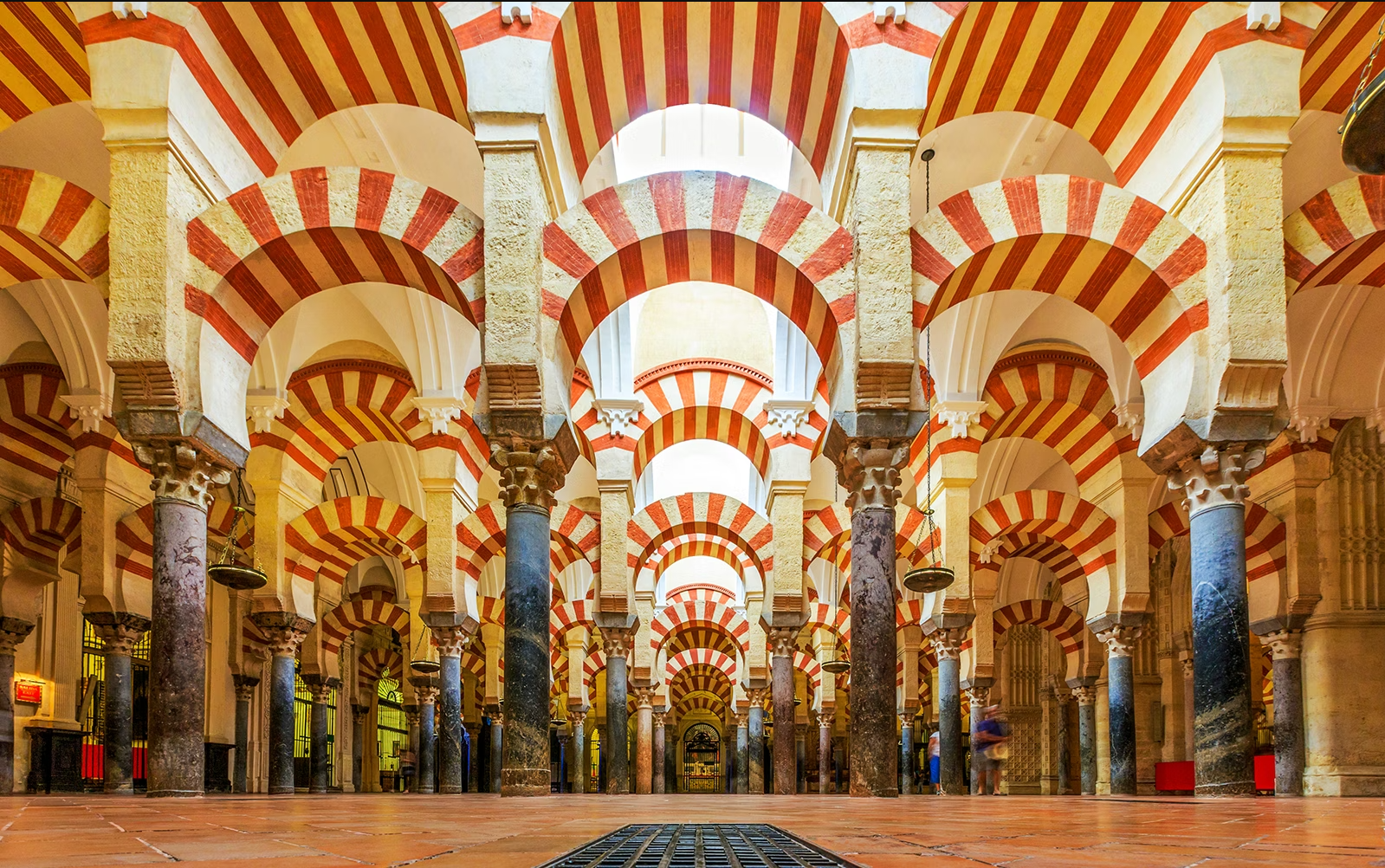
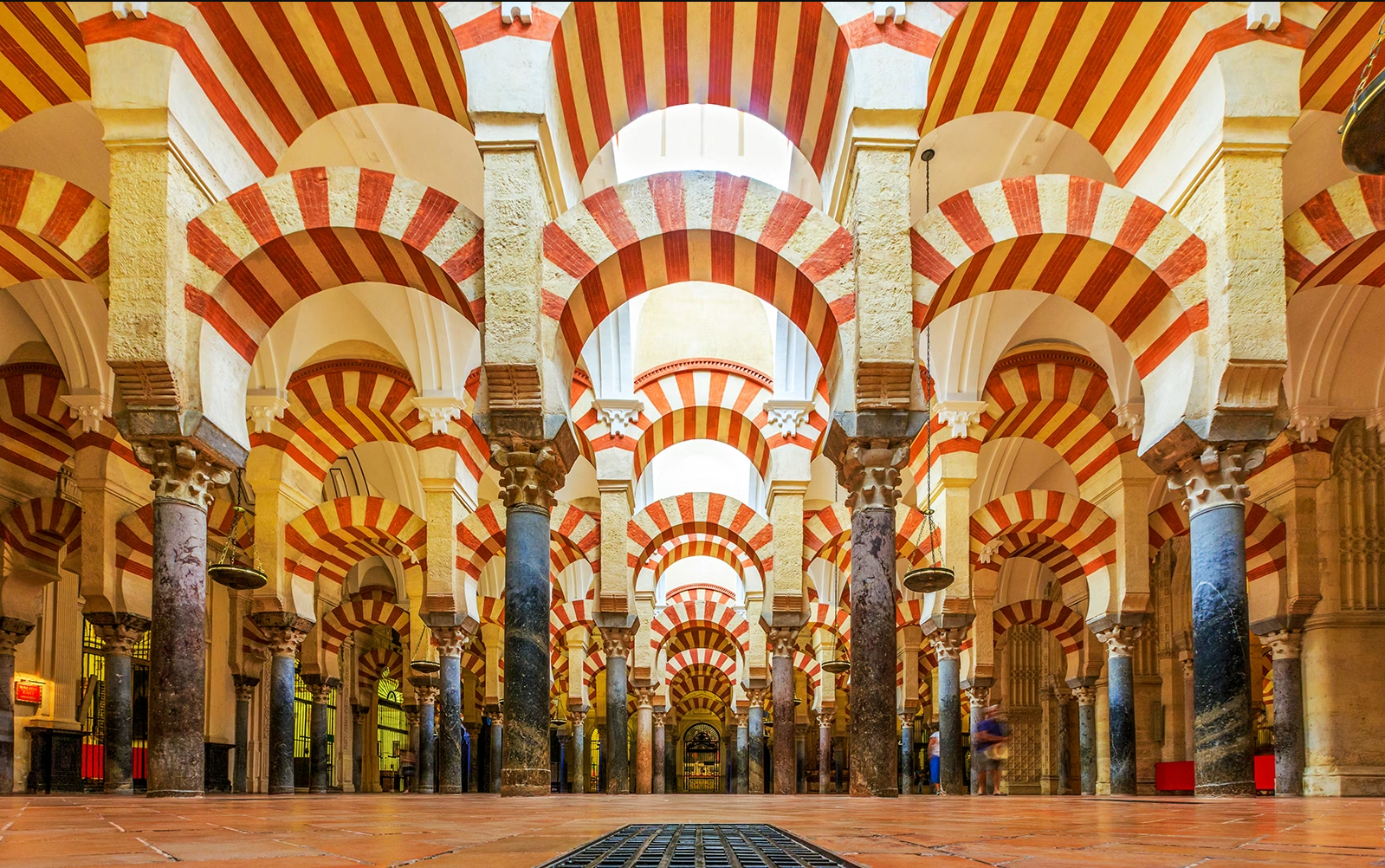
Cordoba Mezquita
Cordoba Mezquita

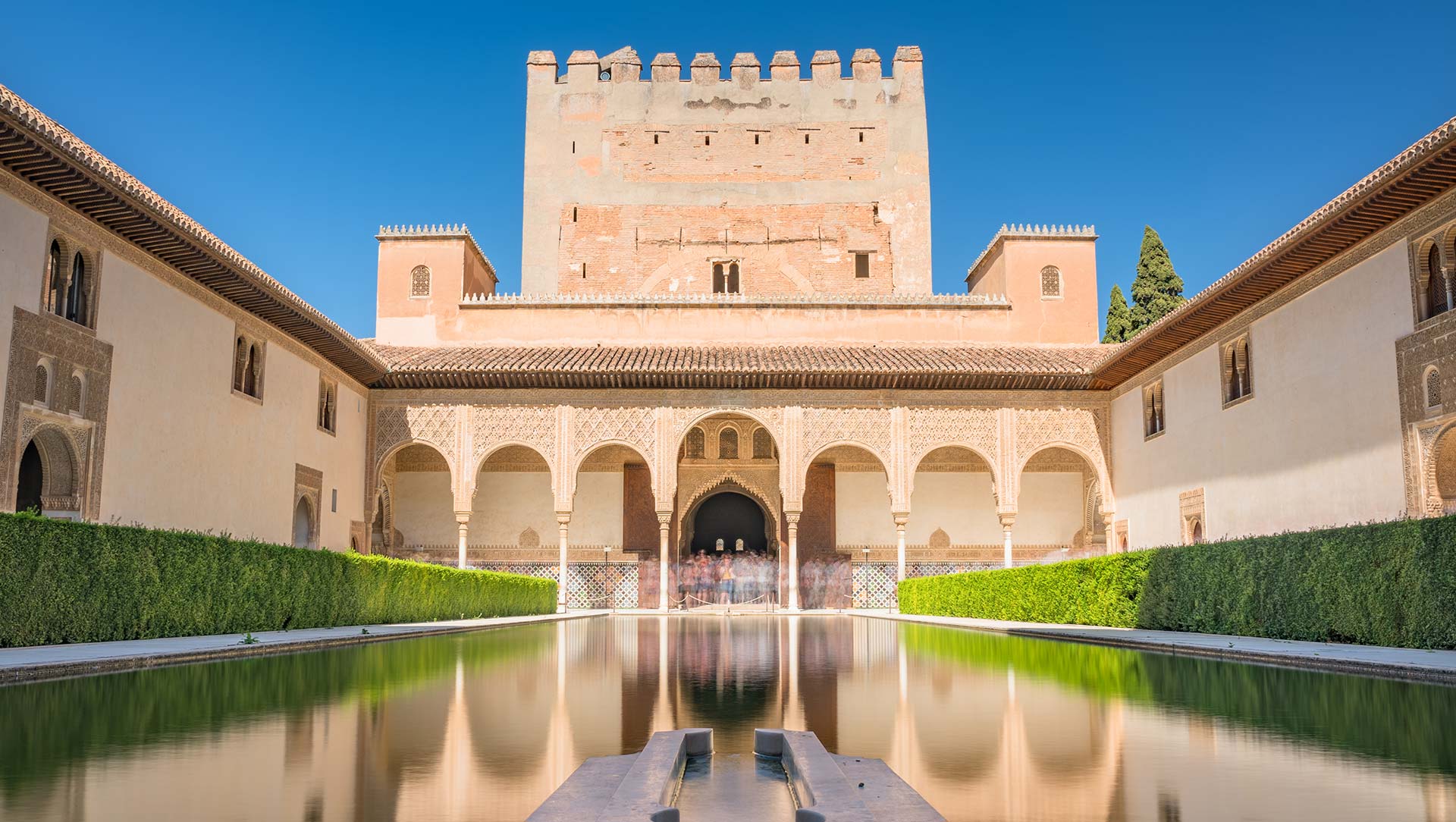
The first structure that comes to mind when Andalusia is mentioned is most likely the Alhambra. This palace complex rising from the forest above Granada is one of the most remarkable traces Islamic architecture has left in Europe. The sound of water in the courtyards of the Nasrid Palaces, eyes lost in the geometric carvings of the ceilings, the way light transforms the space as the day progresses — the Alhambra is not just a building, it is a monument to patience and refinement. Built centuries ago, yet it feels fresh.

Booking tickets in advance is strongly recommended. The Alhambra is one of the most visited sites in the world, and capacity is limited. Especially in spring and summer, finding tickets at the door is nearly impossible.
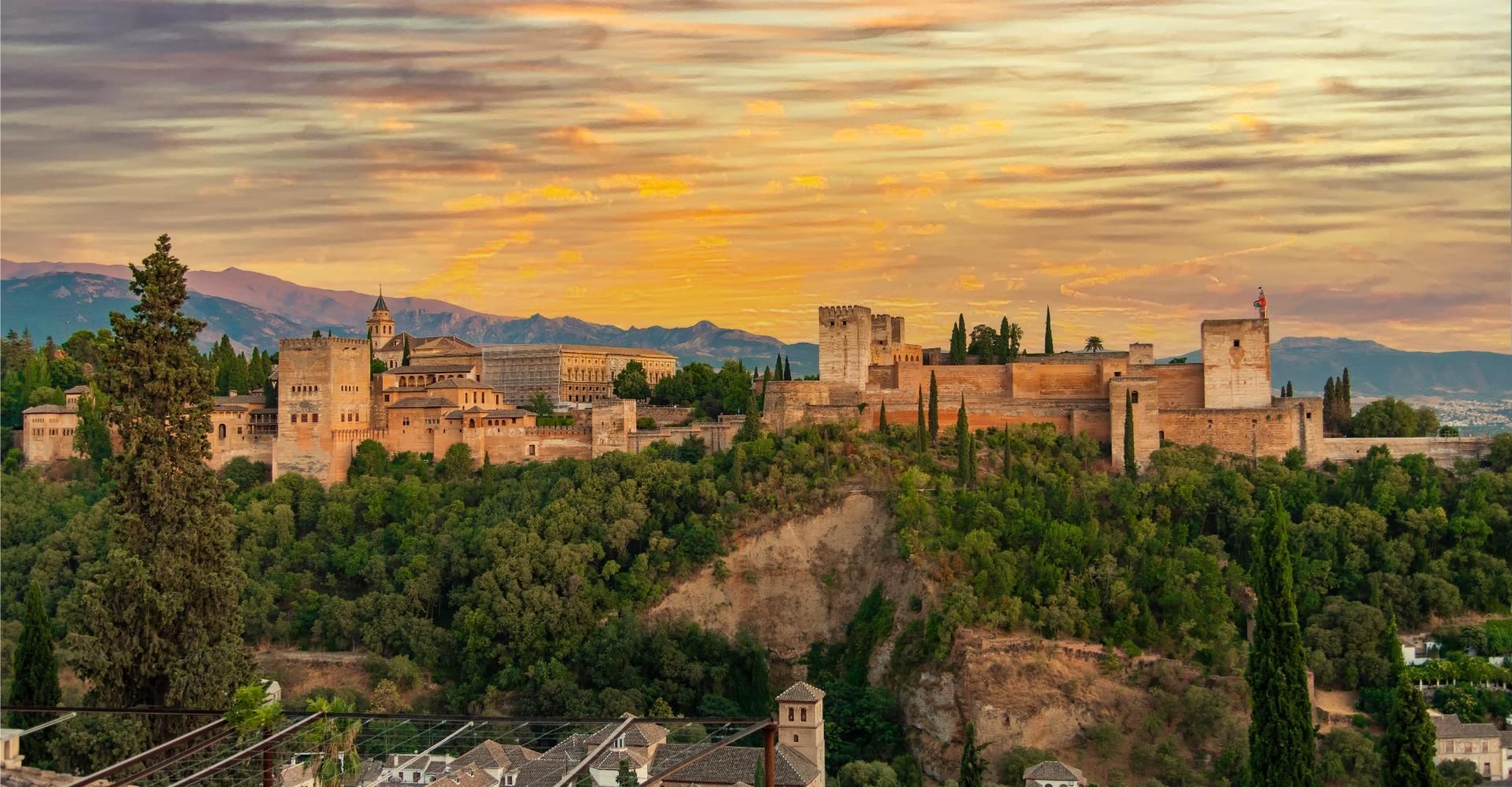
Alhambra
Alhambra

But Andalusia cannot be understood through a single building or a single city. The bustling squares of Seville and the scent of orange blossom, the feeling of getting lost in Granada's narrow Albaicín streets, the whitewashed courtyard houses of Córdoba, the modern harbor of Málaga opening onto the sea — each is a different face of the same region. Seeing one and skipping another is like closing a book halfway through.

Each city has its own character. Seville is more theatrical, more dramatic. Córdoba is quieter, more introspective. Granada is more complex, more layered. Málaga, meanwhile, has reinvented itself in recent years through museums and art galleries — a city that defies expectations.
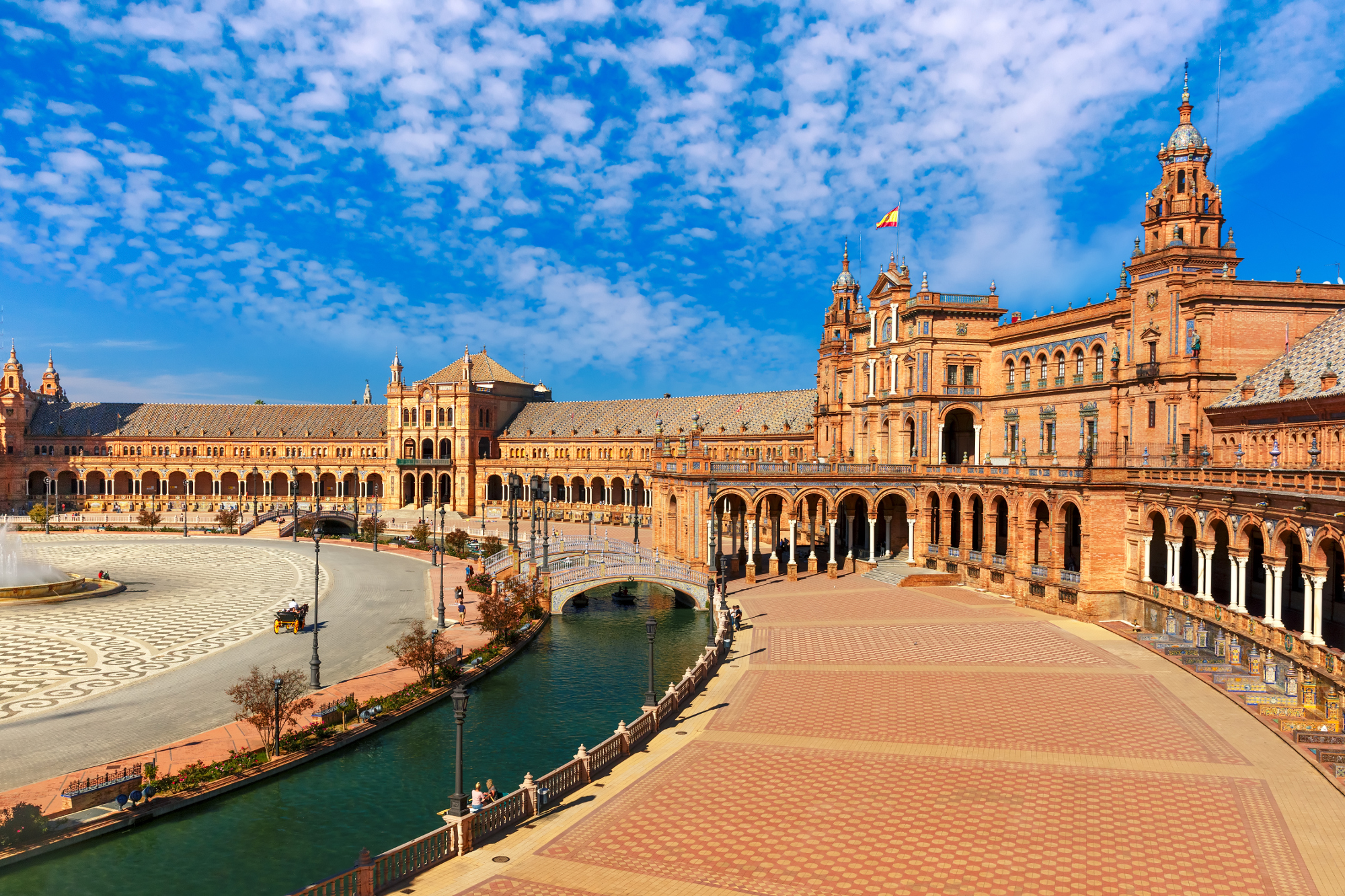
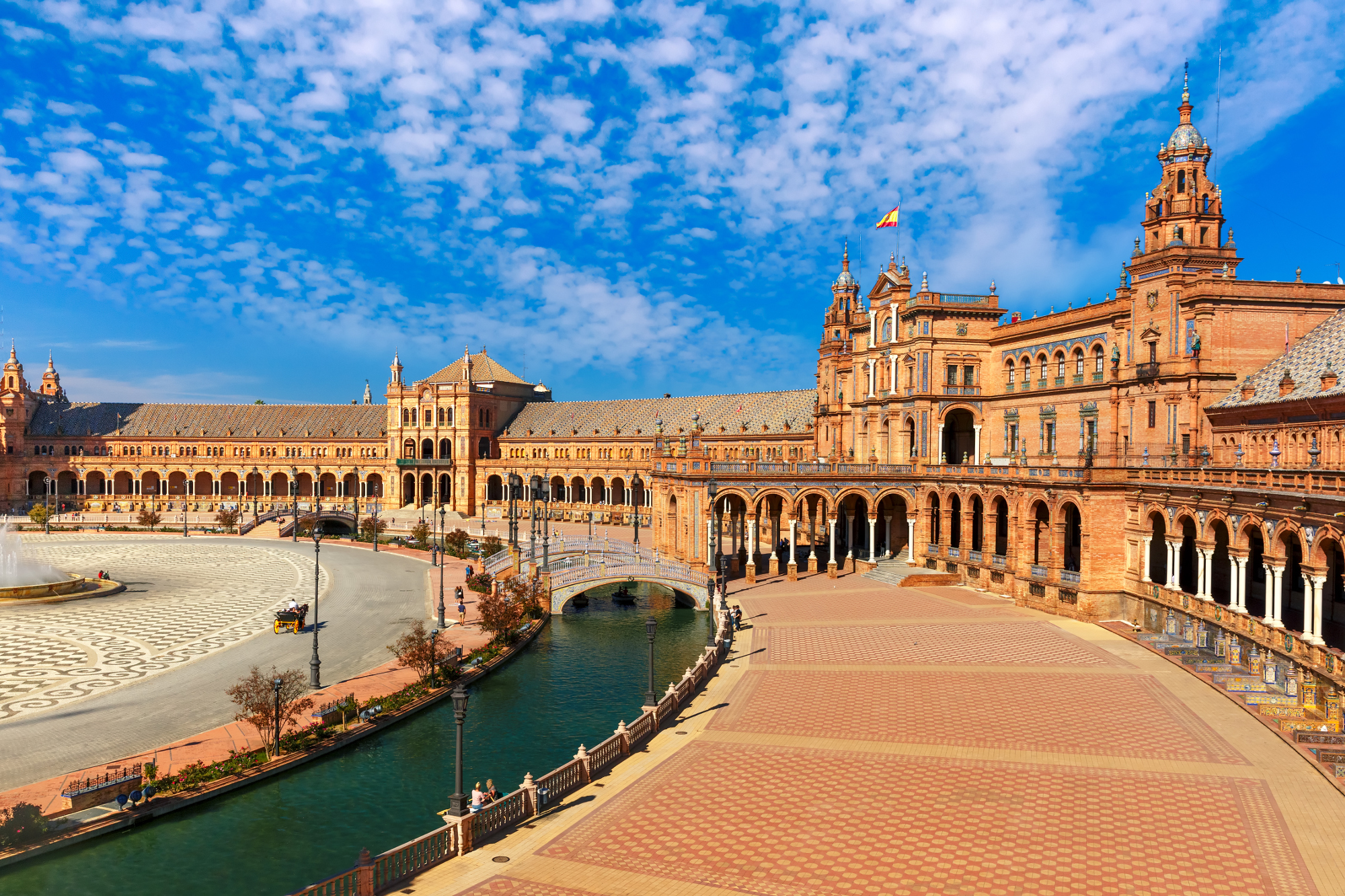
Plaza de Espana - Seville

Getting between cities is easier than expected. Train connections are good, distances are short. Yet Andalusia deserves a certain pace — it's not a route to be rushed. Wake up early, have a coffee in a square, slow down in the afternoon, eat dinner late like the Spanish do, and you'll understand this region far better. The tapas culture works differently here — in Granada especially, this tradition is still very much alive.

Ronda, a city built on the edge of a cliff, or Tarifa, a windswept town where Africa is visible across the water — these may live in the shadow of the bigger cities, but they reveal a completely different dimension of Andalusia. If you have the time, adding these secondary stops to your itinerary is something you won't regret.
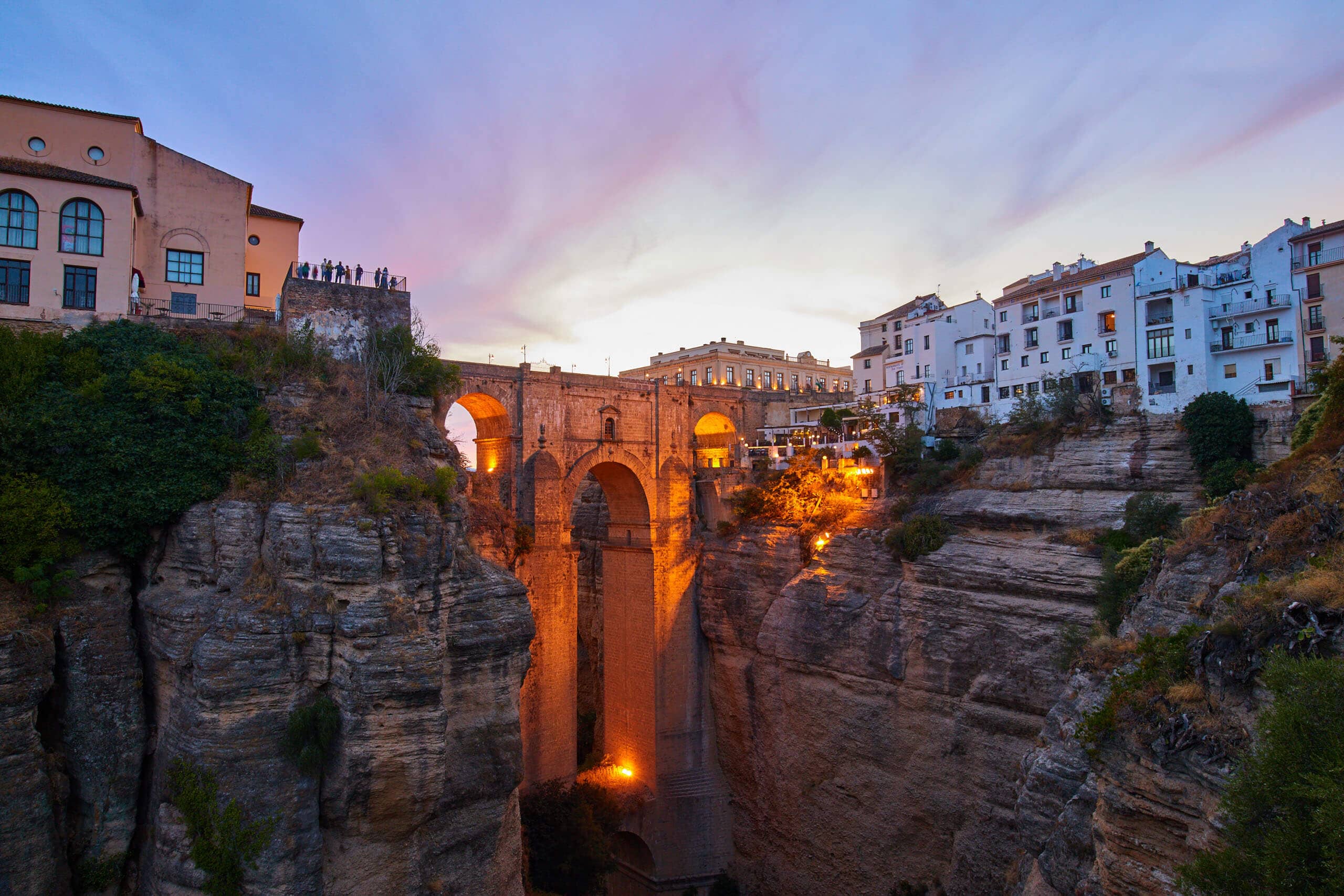
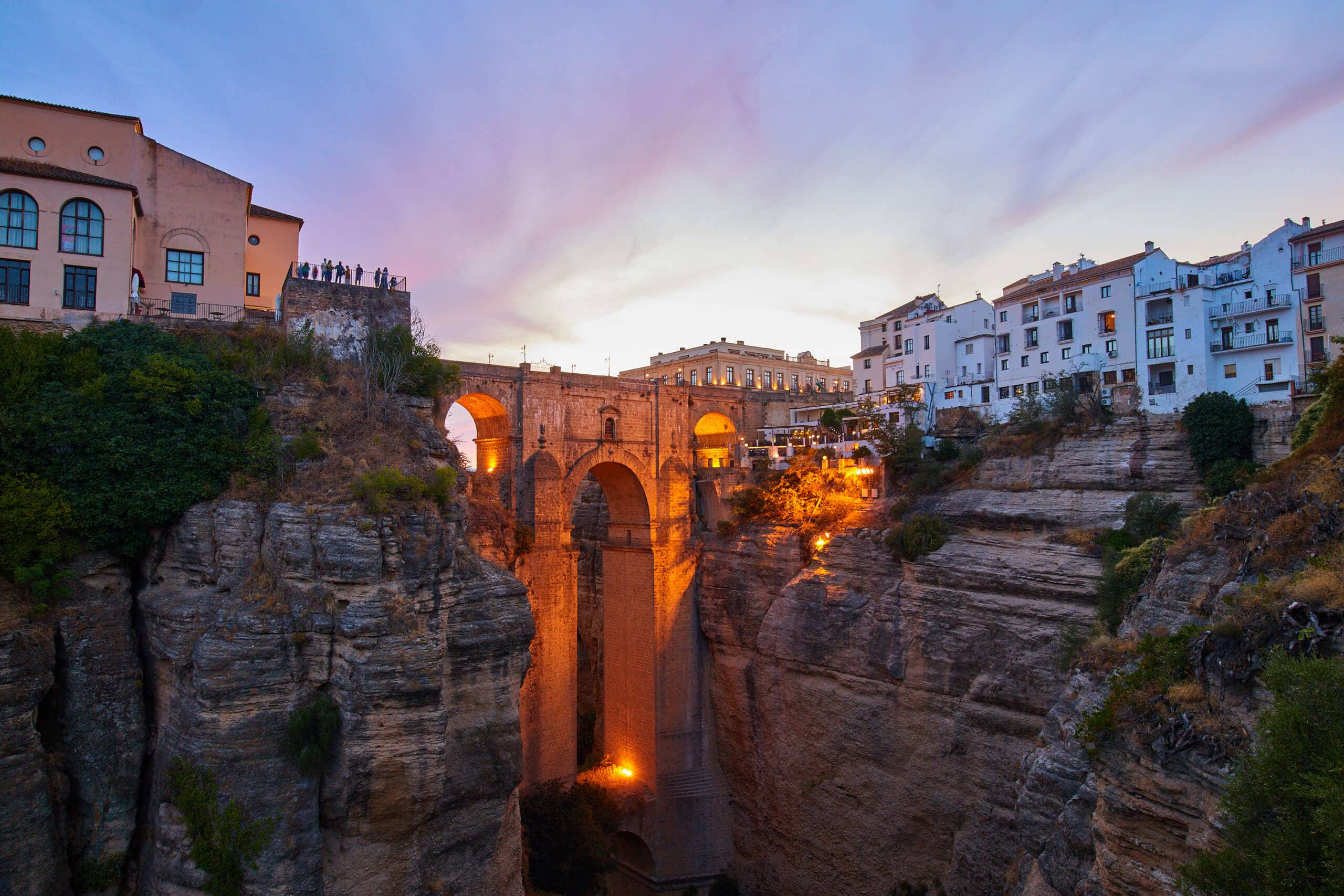
Puente Nuevo Bridge
Puente Nuevo Bridge

The most recommended time to visit Andalusia is spring. Late March through early May offers the best balance of weather and atmosphere. Temperatures are not yet oppressive, orange trees are in bloom, and during Semana Santa, the cities fill with an extraordinary energy. Summer is beautiful but particularly in inland cities like Seville and Córdoba, temperatures can exceed 40°C — a significant factor to keep in mind.

Autumn is also a solid alternative — crowds thin out, the weather is still pleasant, and prices tend to be more reasonable.

Perhaps the best way to describe this region is this: Andalusia is not a destination you pass through, snapping photos as you go. It's a place that opens up when you sit with it, slow down, and stay curious. Even without knowing the history, it finds a way to make itself felt — in the stones, in the minarets, in the courtyard fountains, in the sound of church bells that have replaced the call to prayer.
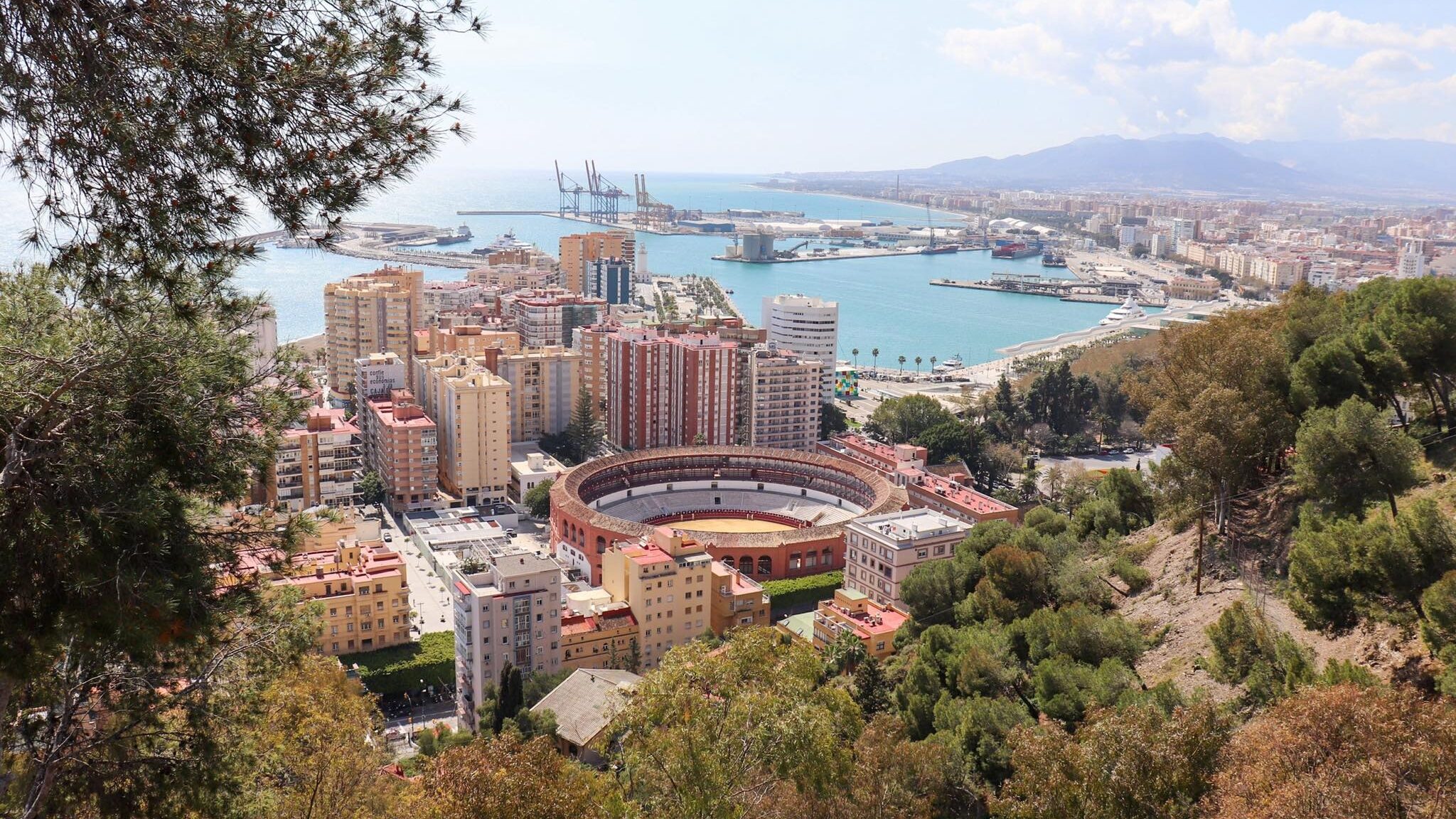
Cities in This Story

Málaga
Málaga
Spain

Málaga sits on the Mediterranean coast of Andalusia, at the eastern end of the Costa del Sol. It is often seen as a transit point — a city you pass through on the way to Granada or Seville. But that description does Málaga a disservice. The city has reinvented itself considerably in recent years. A revamped harbor district, museums, art galleries, and restored streets have turned Málaga into a destination in its own right. Compared to the weighty historical atmosphere of Andalusia's other cities, Málaga feels more open, more modern, more cosmopolitan. But its historical depth is nothing to dismiss. The city carries layers stretching from the Phoenicians and Romans to the Visigoths and the Umayyad period. It is also the birthplace of one of the world's most recognized artists — Pablo Picasso. Starting an Andalusia trip in Málaga is a logical choice. The airport is centrally located, and the city serves as a natural gateway to the rest of the region.

Granada
Granada
Spain

Granada is perhaps the most layered city in Andalusia. Built at the foot of the Sierra Nevada, where two rivers meet, it is one of the places in Europe where the Islamic heritage is felt most strongly. Before the Reconquista was completed in 1492, it was the capital of the Nasrid Sultanate — and the weight of that era is still present on every corner. What sets Granada apart from other Andalusian cities is not only the Alhambra. Getting lost in the narrow streets of Albaicín, discovering the cave houses of Sacromonte — these are the things that make Granada truly unique. The city is both historical and alive; one of the rare destinations that remains tourist-friendly while still holding on to its soul.

Córdoba
Córdoba
Spain

Córdoba is an Andalusian city on the banks of the Guadalquivir River, with roots stretching back to Roman times. In the 10th century it was one of the largest and most advanced cities in the world — the center of Islamic civilization in Europe. Figures such as Averroes and Maimonides emerged from a city where science, philosophy, and art flourished side by side. Today Córdoba carries that legacy in a dense and quiet historic fabric. Narrow streets, flower-filled courtyards, and whitewashed houses make the city ideal for exploring on foot. Every May, the Patios Festival opens the city's private courtyards to visitors — a tradition recognized by UNESCO. Córdoba is also one of the cities that most tangibly preserves the traces of a period when three religions coexisted. Its historic center, where Muslim, Christian, and Jewish heritage overlap, is a UNESCO World Heritage Site.

Sevilla
Sevilla
Spain

Sevilla is Andalusia's largest and most vibrant city, situated on the banks of the Guadalquivir River. One of Spain's four major cities, Sevilla carries both its historical weight and its modern energy at once. As the capital of Andalusia, it is the place where the spirit of the region is felt most intensely.Sevilla's historic center is one of the largest pedestrian zones in Europe. Its cathedral, Alcázar, and historic archive have been listed together as a single UNESCO World Heritage Site — one of the rare examples of this kind in the world. The city is also one of the most deeply rooted centers of flamenco, and here the culture points toward a living tradition rather than a tourist product.Sevilla is a warm city — both in climate and character. Temperatures can exceed 40°C in summer. But in the evenings the city comes alive; squares fill up and streets remain busy well into the night.

Ronda
Ronda
Spain

Ronda is a city in the province of Málaga, built on a plateau divided by the El Tajo gorge — a 120-meter deep canyon carved by the Guadalevín River. The gorge splits the city into two distinct parts connected by the Puente Nuevo bridge. This geographical setting makes Ronda one of the most dramatically situated cities in Spain. Beyond its landscape, Ronda has a significant place in Spanish cultural history. It is considered one of the birthplaces of modern bullfighting, and its 18th century bullring is among the oldest and most important in the country. The old town, known as La Ciudad, preserves its Moorish street layout largely intact. Ronda also served as a stronghold during various periods of Andalusian history and its position on a cliff made it one of the last Moorish towns to fall during the Reconquista in 1485.

Tarifa
Tarifa
Spain

Tarifa is the southernmost city in continental Europe, located at the point where the Mediterranean Sea meets the Atlantic Ocean. From its shores, the African coast is visible — on clear days, the mountains of Morocco appear close enough to seem within reach. The Strait of Gibraltar at this point is only 14 kilometers wide.The city has been strategically significant since antiquity. Phoenicians, Romans, Visigoths, and Umayyads all left their mark here. Its name derives from Tarif ibn Malluk, the Berber commander who led the first Muslim reconnaissance mission to the Iberian Peninsula in 710 — a year before the full conquest began.Tarifa is also known as the wind capital of Europe. The constant winds from both the Atlantic and Mediterranean make it one of the top destinations in the world for kitesurfing and windsurfing. This gives the city a distinct atmosphere — a mix of ancient history and a relaxed, outdoor-oriented culture.The old town is compact and well preserved, surrounded by its medieval walls. Outside the walls, the coastline stretches toward both the Atlantic and the Mediterranean.